


Africa’s Small Five, Mighty Wonders
What Are Africa's Small Five — And Why Do They Matter?
Most people arrive in Africa searching for giants.
They want the rumble of elephants in the distance. The stare of a lion through tall grass. The raw power of a rhino standing in the dust beneath a burning sunset.
The famous "Big Five" have become symbols of Africa itself — legendary animals woven into safari stories, wildlife films, and conservation campaigns across the world.
But hidden beneath those larger stories lives another group of animals quietly carrying the wilderness on their backs.
Tiny hunters beneath the sand. Builders in thorn trees. Armored wanderers crossing sunbaked ground.
Africa's "Small Five."
And despite their size, these overlooked creatures may tell us more about the true health of the wild than the giants ever could.
The Small Five were introduced by conservationists, safari guides, and wildlife educators as a way to encourage travelers to notice the smaller species often ignored during safari experiences. The idea mirrored the famous Big Five by pairing each large animal with a much smaller namesake counterpart.
Not simply for fun — but for perspective. Because ecosystems are not held together by famous animals alone. They survive through countless smaller lives working quietly in the background every single day.
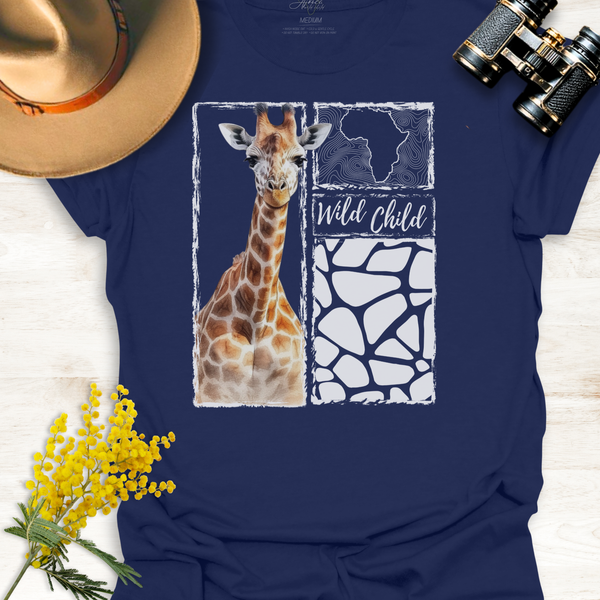
Shop the story
Inspired by this post — gear and wear we use in the wild.


What Are Africa's Small Five?
The Small Five consist of five tiny African creatures whose names resemble those of the Big Five:
-
Elephant Shrew → Elephant
-
Buffalo Weaver → Buffalo
-
Leopard Tortoise → Leopard
-
Antlion → Lion
-
Rhinoceros Beetle → Rhinoceros
Together, they represent a very different kind of safari story — one rooted not in dominance, but in detail. And the more scientists study biodiversity loss across Africa, the clearer it becomes that these smaller creatures are not secondary characters in the ecosystem. They are part of its foundation.
 Elephant-Shrew On Stone - Photo by Anolis01 from Getty Images
The Elephant Shrew
Tiny Feet Across Ancient Ground
At first glance, the elephant shrew seems almost impossible to take seriously. It is small. Nervous. Fast enough to vanish between rocks before most people even notice it. But then you see the nose.
Long and flexible like a miniature elephant trunk, it gives this tiny mammal its unforgettable name. What makes the elephant shrew especially fascinating is that genetic research revealed it is actually more closely related to elephants than to true shrews — a reminder that nature rarely fits neatly into human assumptions.
These insect-eating mammals help regulate insect populations while moving constantly through African grasslands and dry scrub habitats. The animals people overlook are often the ones ecosystems depend on most.
Read the full elephant shrew story →
 Various Images Of Red-Billed Buffalo Weaver (Bubalornis niger) Africa - Photos by MichiV from Getty Images on Canva-2026, Commons Wikimedia and Peter W. Hills from World Bird Photos
The Buffalo Weaver
The Loud Builders of the Thornveld
If the buffalo weaver teaches us anything, it is that wilderness is not always neat. These noisy social birds build large communal nests from sticks, often wedged high among thorny branches beneath wide African skies.
Researchers have documented highly social colony structures, territorial behavior, and cooperative nesting systems among buffalo weavers. In some regions, their nesting activity even contributes to microhabitats used by other species. They are builders, recyclers, protectors, and survivors.
Read the full buffalo weaver story →
 Leopard Tortoise - Photo by Michel VIARD from Getty Images on Canva
The Leopard Tortoise
Carrying the Wild Slowly
The leopard tortoise moves through Africa at its own pace. Slowly. Carefully. Quietly. Its beautifully patterned shell resembles the rosettes of a leopard, giving the species its name.
Leopard tortoises play a surprisingly important ecological role by feeding on vegetation and dispersing seeds across large areas. Some seeds even germinate more effectively after passing through the tortoise's digestive system.
 Various Images of an Antlion (Myrmeleontidae) - Photos by Gregory_DUBUS, Mirwanto Muda, Henrik_L and ViniSouza128 from Getty Images Signature on Canva
The Antlion
The Hunter Beneath Your Boots
Most people have walked past an antlion without realizing it. In dry sandy soil, antlion larvae dig tiny cone-shaped traps before burying themselves beneath the surface. When ants or insects slip down the loose edges, the hidden predator emerges from below with astonishing speed.
Adult antlions later emerge winged and delicate, resembling fragile dragonflies drifting through warm evening air.
 Rhinoceros Beetle - Photo by User2547783c_812 from Getty Images on Canva
The Rhinoceros Beetle
Strength in Small Form
The rhinoceros beetle looks like something forged from bark and iron. Armed with horn-like structures resembling a rhino's horn, these beetles are among the strongest creatures on Earth relative to body weight.
As they feed on decaying plant matter, rhinoceros beetles help recycle nutrients back into the soil, enriching the ecosystems that grasslands, trees, herbivores, and predators all depend upon.
Why the Small Five Matter
The Small Five matter because they challenge the way we define importance in nature. For decades, conservation campaigns focused heavily on large charismatic mammals because they attracted tourism, funding, and public attention. But many conservationists now argue that protecting ecosystems requires broader thinking — one that values insects, birds, reptiles, and smaller mammals alongside iconic wildlife.
The wilderness is not a pyramid built only from the top down. It is a web. And every thread matters.
How We Can Help Protect Africa's Wildlife
-
Supporting ethical conservation organizations and safari operators
-
Avoiding products linked to wildlife exploitation
-
Teaching younger generations to value all species — not only famous ones
-
Reducing pollution and waste that damage ecosystems
-
Sharing educational stories about lesser-known wildlife
-
Supporting brands and businesses that actively advocate for conservation awareness
Protect Africa's Wildlife Today
The Wild Is Bigger Than Its Giants
There is something powerful about standing still long enough to notice the smaller life around you. The rustle beneath dry grass. The tiny footprints in the sand. The chatter high above in thorn branches.
The Small Five remind us that Africa's wilderness is not built only by creatures large enough to fill headlines. It survives because of countless unseen lives working quietly beneath them.
And perhaps that is the lesson worth carrying home. That strength is not always loud. That importance is not measured by size. And that the wildest things on Earth are often the ones we almost miss entirely.
👉 Explore our collection of wildlife and adventure graphic tees designed to last: Shop Africa Wild Child
Sources
-
South African Tourism – "From Big Five to Little Five"
-
Discover Africa – "The Best Places to Spot Africa's Small Five"
-
Aquila Private Game Reserve – "Africa's Little Five"
-
Native Africa Tours – "The Small Five"
-
Sibuya Game Reserve – "Introducing the Little Five"
All images are the property of the copyright holders. Accreditation links provided for easy reference.


