


The Red-Billed Buffalo-Weaver - An Uncertain Horizon
Savanna Architects Facing an Uncertain Horizon
Untangling the myths of Africa's most industrious savanna birds.
Deconstructing a Bushveld Legend
If you have ever traveled through the dry, thorn-strewn savannas of eastern or southern Africa, you have likely noticed them: massive, chaotic fortresses of thorny twigs wedged high into the forks of ancient baobabs or acacia trees. These architectural wonders belong to the Red-billed Buffalo-weaver (Bubalornis niger).
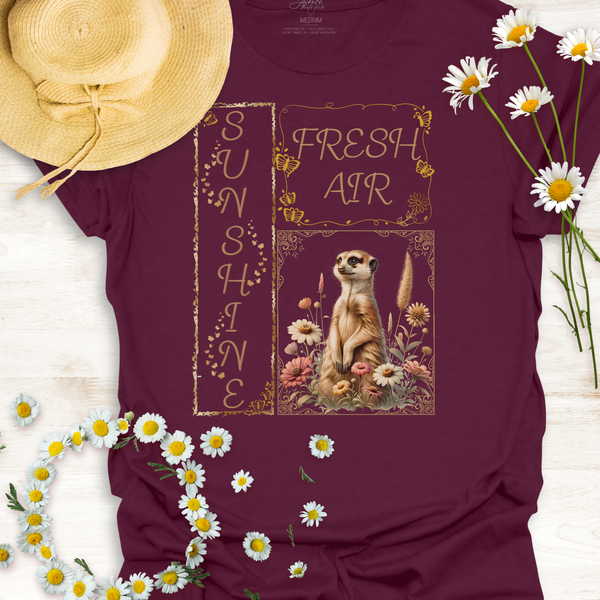
Shop the story
Inspired by this post — gear and wear we use in the wild.


For decades, early naturalists propagated the idea that these birds were inseparable companions to the Cape buffalo. Yet when we subject this narrative to modern ornithological scrutiny, a fascinating truth emerges: the Red-billed Buffalo-weaver is not a mere tag-along; it is an independent ecological powerhouse in its own right.
Savanna Engineers: Habitat, Behavior, and Ecological Weight
Sporting dark, chocolate-black plumage contrasted against a stark, crimson bill, these birds are the largest members of the weaver family (Ploceidae).
 Various Images Of Red-billed Buffalo Weaver Birds Nests - Photos by Warwick Tarboton ©, תומר פנק, CC BY-SA 4.0, via Wikimedia Commons and Peter W. Hills from World Bird Photos
Ground Foragers and Pest Controllers
The Red-billed Buffalo-weaver spends a significant portion of its life on the hot African soil. They are highly efficient omnivores, moving in energetic flocks to consume grasshoppers, crickets, locusts, and even scorpions. By suppressing insect populations that could otherwise defoliate localized vegetation, their feeding habits provide a vital balancing mechanism for savanna flora.
The Ecological Blueprint of the Twig Fortress
These multi-chambered lodges act as miniature apartment complexes. The sheer mass of the twig structure creates an entire micro-ecosystem: larger birds of prey frequently build their own nests directly on top, providing inadvertent security for the weavers below. Critical research also reveals a deep connection between these birds and human-livestock dynamics — they thrive in areas with moderate cattle grazing where ground cover is sparse.
Skeptical Reporting Notes:
While the IUCN currently lists the Red-billed Buffalo-weaver as Least Concern, these birds rely heavily on mature, thick-branched trees like ancient Acacias and Baobabs. Climate-induced droughts and agricultural land clearing are quietly removing these foundational trees from the landscape.
 Red-billed Buffalo Weaver (Bubalornis niger) - Image by Bernard DUPONT from FRANCE, CC BY-SA 2.0, via Wikimedia Commons
Guardian of the Commons: How the Public Can Assist
-
Support Eco-Inclusive Agriculture: Advocate for organizations working with African pastoralists to implement sustainable livestock rotation, preserving the landscape balance these birds need.
-
Participate in Citizen Science: Log sightings on global databases like the Southern African Bird Atlas Project (SABAP2) to help researchers map real-time range shifts.
-
Preserve Old-Growth Canopies: Support forestry initiatives that actively protect mature savanna trees from being cleared for charcoal production or monoculture farming.
A Resilient Future for the Savanna's Builders
The story of the Red-billed Buffalo-weaver reminds us that nature does not always fit neatly into our historical assumptions. They do not need massive buffalo herds to thrive; they simply require the freedom of a healthy, intact savanna floor and the sturdy branches of ancient trees to hold up their shared homes.
By looking closer at these unsung avian architects, we deepen our shared commitment to an authentic, functioning wild. Because compassion never fades, and they depend on us to care.
Want to go deeper? Discover 12 bizarre facts about Africa's architectural bird or explore all of Africa's Small Five.
Protect Africa's Wildlife Today
Verified Sources
-
Southern African Bird Atlas Project (SABAP2) / BirdLife South Africa.
-
Biodiversity Explorer: Bubalornis niger (Red-billed buffalo-weaver).
-
IUCN Red List of Threatened Species: BirdLife International Assessment.
👉 Explore our collection of wildlife and adventure graphic tees designed to last: Shop Africa Wild Child
All images are the property of the copyright holders. Accreditation links provided for easy reference.


