


REHAB – The Underwater Spa of Second Chances-Part2
Ever watched a rehabbed penguin waddle like it's late for fish o'clock? Giggles aside, wildlife rehabilitation is the cozy ICU of the ocean world—patient, precise, and profoundly moving. Building on our rescue adventures, this ocean dive explores healing flippers and mending spirits. Get ready for stories that warm your soul and tips to fuel your inner caregiver.I'm ready
Shop the story
Inspired by this post — gear and wear we use in the wild.


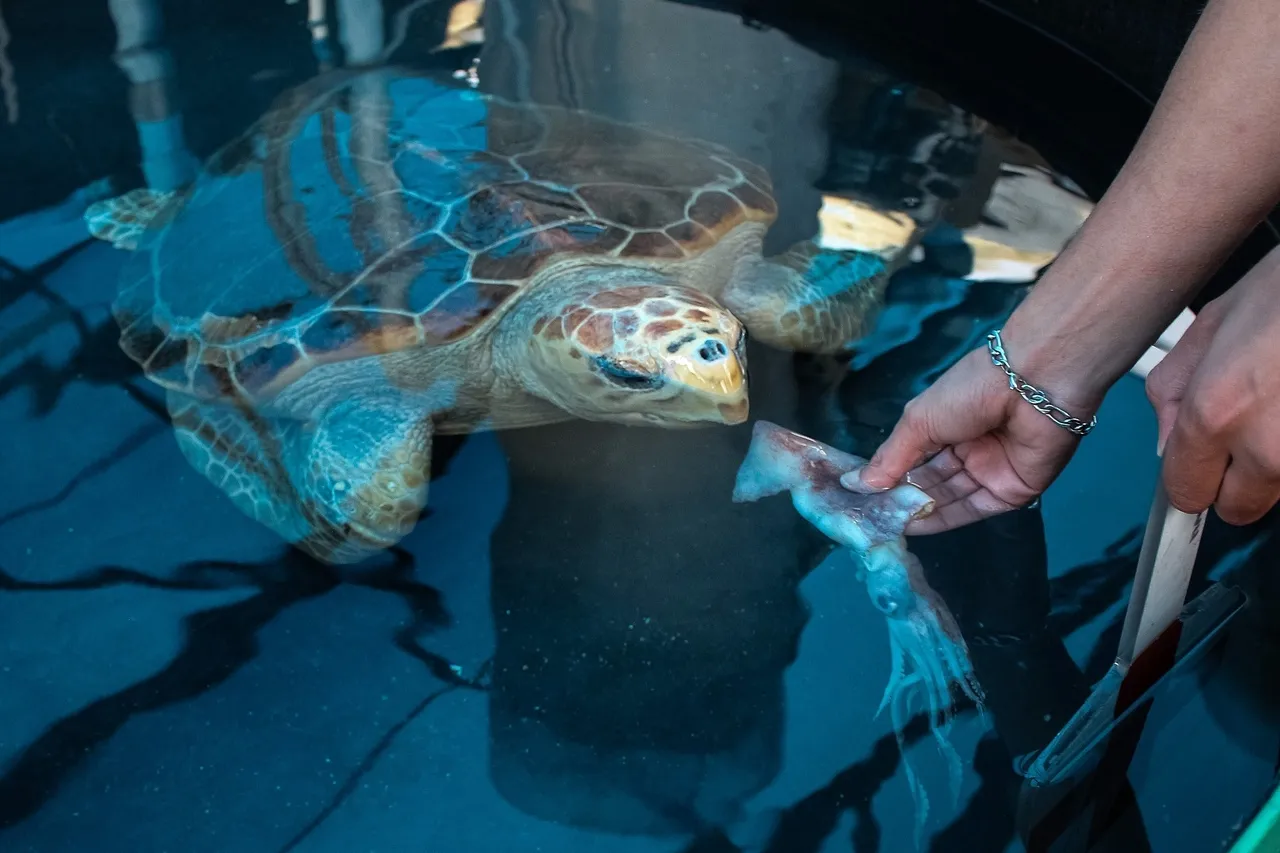
Two Oceans Aquarium
Why Rehabilitation Is Important
Rescue's the adrenaline rush; rehabilitation? That's the cozy comeback story where flippers find their groove again. It's the quiet hero ensuring survivors don't just live—they thrive. Post-pluck-from-peril, these aquatic patients need TLC to transform from "total wreck" to "wild-ready warrior." Wildlife rehabilitation rebuilds strength, fights infections, and preps for wild returns, bolstering populations hit by pollution and poaching. Sea Shepherd's habitat guardians highlight how rehab counters exploitative threats, letting turtles and birds reclaim their realms. Without it, one rescued whale calf could mean a pod's future—talk about ripple effects in conservation efforts!
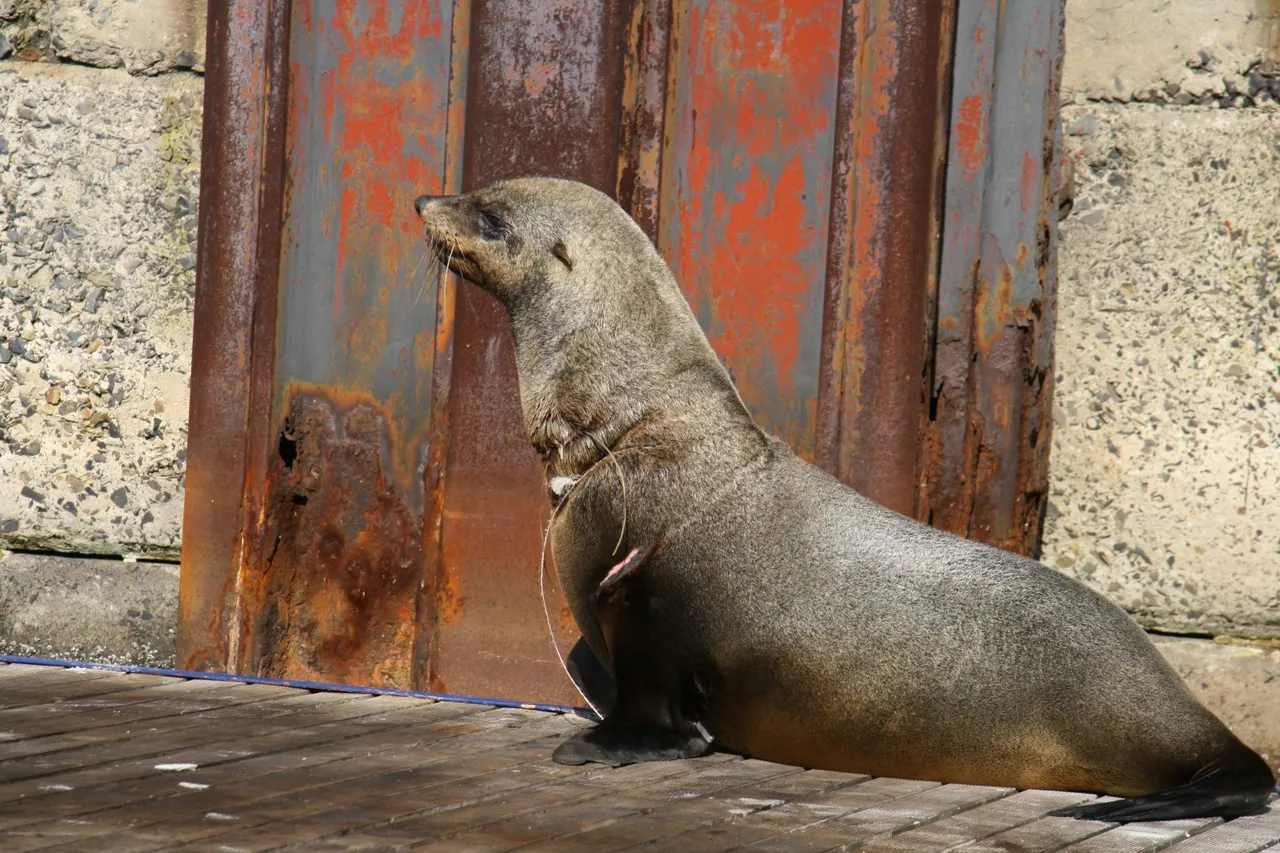
Two Oceans Aquarium
Imagine a seal pup, ribs like piano keys, blooming into a beach boss. That's rehab magic.
Key Activities in Aquatic Rehabilitation
Rehab at Two Oceans Aquarium blends cutting-edge science with playful care—a vet clinic meets fishy daycare. Patients face diagnostic X-rays, custom diets (no junk-food jellyfish), antibiotics, hydration therapy, and behavioral training to sharpen wild instincts. Seals get swim-simulation pools and physical therapy; dolphins enjoy fish smoothies while there are UV lamps for vitamin-D-deficient seals. Toys and “seal spa days” mimicking the wild to keep spirits high while NSRI and Sea Shepherd's anti-poaching help prevent new arrivals. From sulky seals plotting splashy protests to sock-stealing penguins, it’s serious healing wrapped in pure joy, transforming weak patients into ocean-ready pros.
What Is Required for Rehab Operations
Facilities are like underwater hotels: Quarantine pools, X-ray machines, and fish fridges galore. State-of-the-art saline pools (think infinity edges for infinity sass), top-tier filtration to keep it crystal (no murky moods), and a squad of marine medics with PhDs in "patient persuasion." NSRI partners with sanctuaries for seamless handoffs, stocking up on fish fortunes and quiet zones to curb cabin fever. Public perks? Donations for that endless seafood smorgasbord or volunteer vibes via WWF's Oceans community crews. It's resource-heavy, but the ROI? A rehabbed reef-dweller rejoining the ranks.
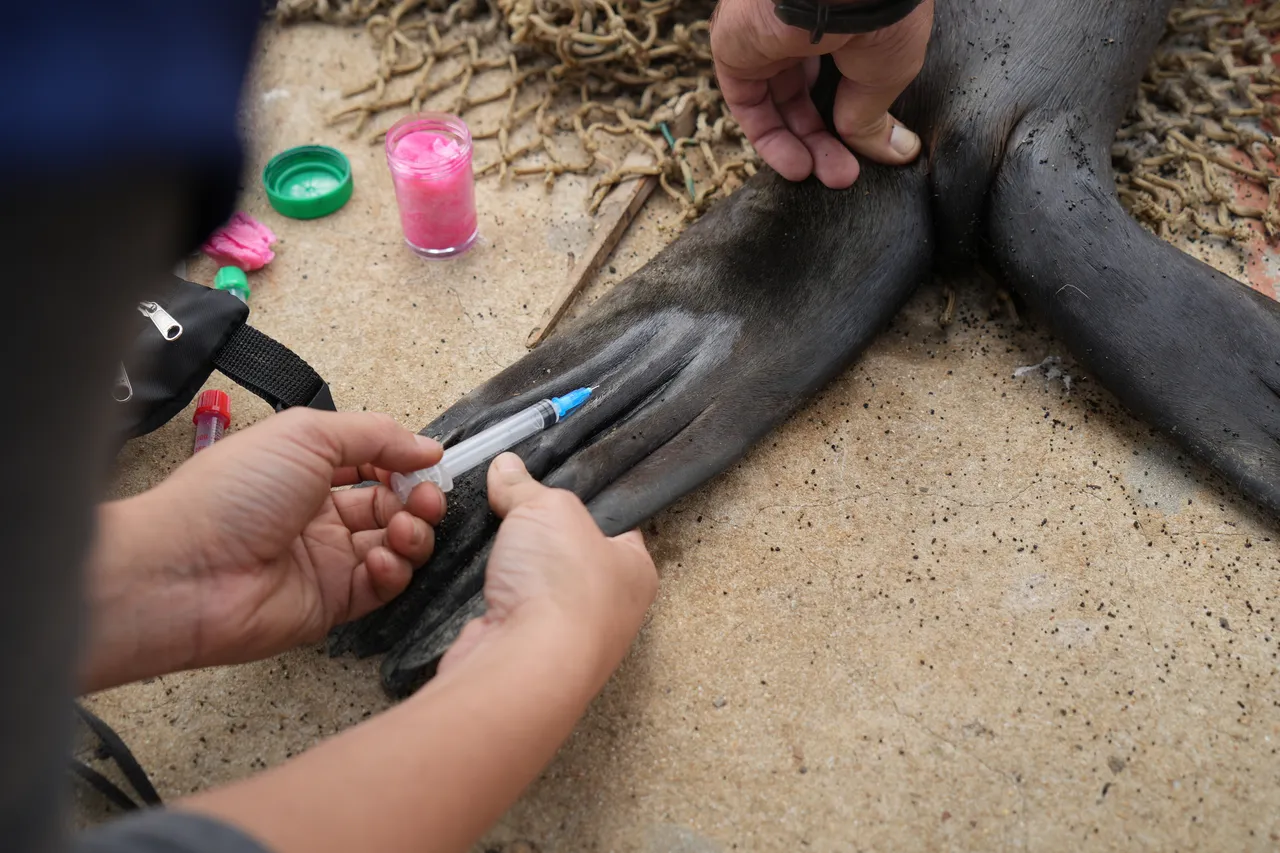 Marine Wildlife Management team saves a seal in Sturrock Dry Dock!
Obstacles to Aquatic Life Survival During Rehabilitation
Rehab's no red-carpet recovery—it's riddled with reefs of reality. Chronic crud like oil-slick infections or pollution poisonings drag timelines, while stress from captivity can weaken immune systems, infections lurk in wounds, slow healers test even the most zen zookeepers and some injuries (like propeller scars) linger forever. NSRI tales note thin, entangled arrivals fighting for every breath. WWF flags upstream woes like land runoff amplifying these aches, questioning if rehab's ripple reaches far enough. Plus, space shortages mean tough triage calls. Yet triumphs shine: with holistic healing, most make the mend—proving persistence pays off, one finny fidget at a time.
Each setback stings, but recoveries? They fuel the fire.
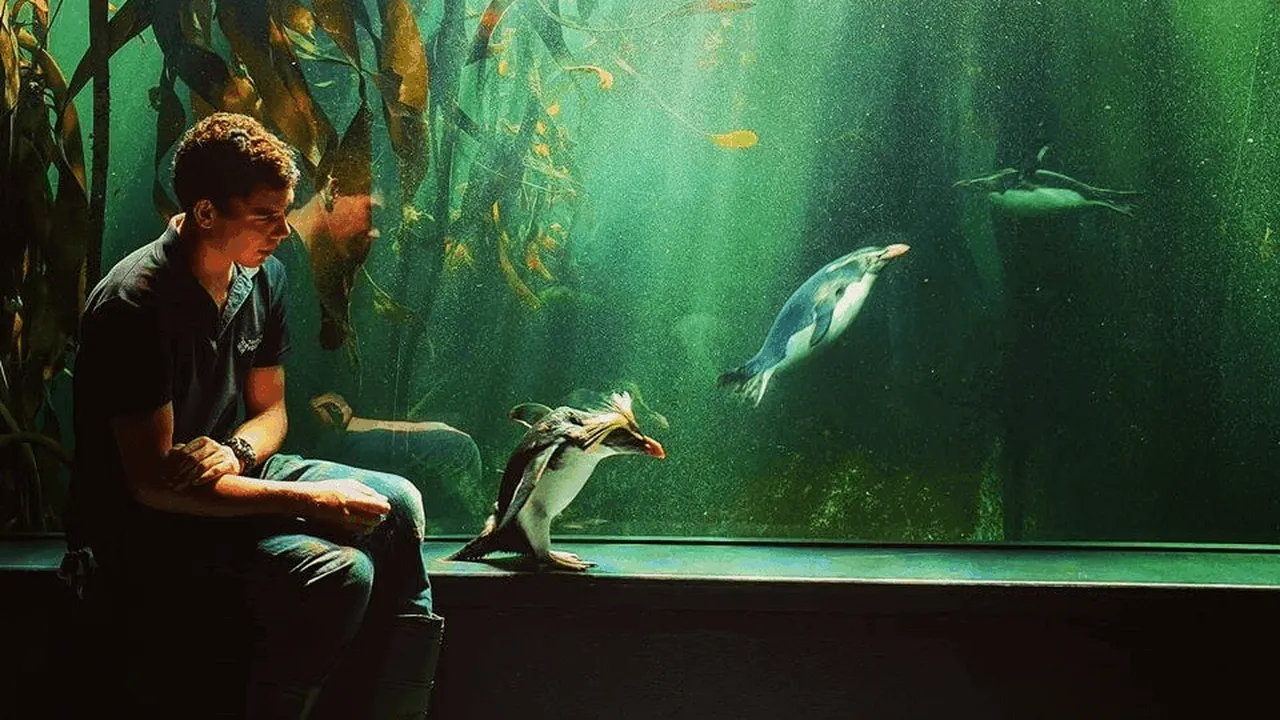
Two Oceans Aquarium
Important Things the Public Should Know
Rehab's no solo show—know the signs: Erratic swimming or aggression might mean distress, not drama. Avoid "rescuing" healthy haulers; seals rest ashore! And post-release tracking? It's how we learn—WWF's place-based approaches track recoveries for bigger wins. Fact: Public reports feed rehab data, closing loops on threats.
Tips on How the Public Can Help Responsibly
Channel your inner nurse—responsibly!
- Empower your inner eco-advocate: Early alerts slash rehab needs—spot that entangled eagle ray? Hotline it to SANCCOB at 021 557 6155 for seabird saves.
- Reduce Risks: Ditch single-use plastics—less junk means less patients!
- Donate Smart: Gear or funds to spots like Two Oceans Aquarium—your $10 buys fish therapy.
- Volunteer Vibes: After training, cuddle (er, care for) critters—check NSRI for spots.
- Spread Awareness: Share rehab stories; tag #WildlifeRehabWins.
- Fundraise for facilities via Sea Shepherd campaigns, and spread savvy via socials (facts only, folks—no fin-fakes). Your actions? The secret sauce for sustainable swims. Small steps, big splashes in public involvement in wildlife care.
Protect Africa’s Wildlife Today
👉 Explore our collection of wildlife and adventure graphic tees designed to last: Shop Africa Wild Child
Summing Up the Rehab Rhythm
Wildlife rehabilitation weaves wounds into wonders, proving care conquers chaos. From triage to triumph, it's the empathetic engine of ocean health. Eager for the finale? Part Three: Release awaits, where freedom flips the fin. What's your rehab inspiration? Share below!
All images are the property of the copyright holders. Accreditation links provided for easy reference.


