


Penguin Awareness Day 2026: Waddling into the Spotlight for Survival
Dive into the World of Penguins Before It's Too Late
As a reporter drawn to the wild edges of our planet, I've always been captivated by the resilient charm of penguins—these tuxedo-clad adventurers navigating icy seas and rocky shores. On January 20, Penguin Awareness Day invites us to pause and reflect on these remarkable birds, not just as endearing icons from documentaries, but as vital sentinels of ocean health. With populations plummeting across species, this day serves as a timely call to action, blending wonder with urgency to inspire protection for our feathered friends.
Penguin Awareness Day, observed annually on January 20, emerged in the early 2000s amid growing concerns over environmental changes. While its exact origins remain somewhat murky—some tie it to the founding of the Penguin Foundation in 2006, others to broader conservation pushes like those from SANCCOB in South Africa—the purpose is clear: to educate the public about penguins' plight and encourage steps toward their survival. Skeptically examining sources, it's evident that this awareness day isn't a formal holiday but a grassroots effort amplified by organizations like WWF and the Global Penguin Society, aiming to highlight how these birds indicate broader ecological shifts.
Shop the story
Inspired by this post — gear and wear we use in the wild.


Unraveling the Facts: Penguins Under Pressure
There are 18 recognized species of penguins, all native to the Southern Hemisphere, from the towering Emperor penguins of Antarctica to the diminutive Little Blues of New Zealand. Sources occasionally vary on the count—some list 17 to 20—but the International Union for Conservation of Nature (IUCN) standardizes it at 18, a figure cross-verified across reputable sites. These ancient survivors, with fossils dating back over millions of years, have adapted masterfully: solid bones for diving, countershading plumage for camouflage, and even a salt-filtering gland to thrive in marine environments.
Yet, beneath their playful waddles lies a story of struggle. Eleven of the 18 species are classified as vulnerable or endangered, with threats like climate change disrupting habitats and food chains. The African Penguin, for instance, has seen populations crash by over 50% in the last 50 years, and recent assessments label it critically endangered, with extinction in the wild projected by 2035 if trends continue. Rockhopper penguins, known for their spiky yellow crests and gregarious colonies, have declined rapidly over the past 30 years, as highlighted by conservationists.
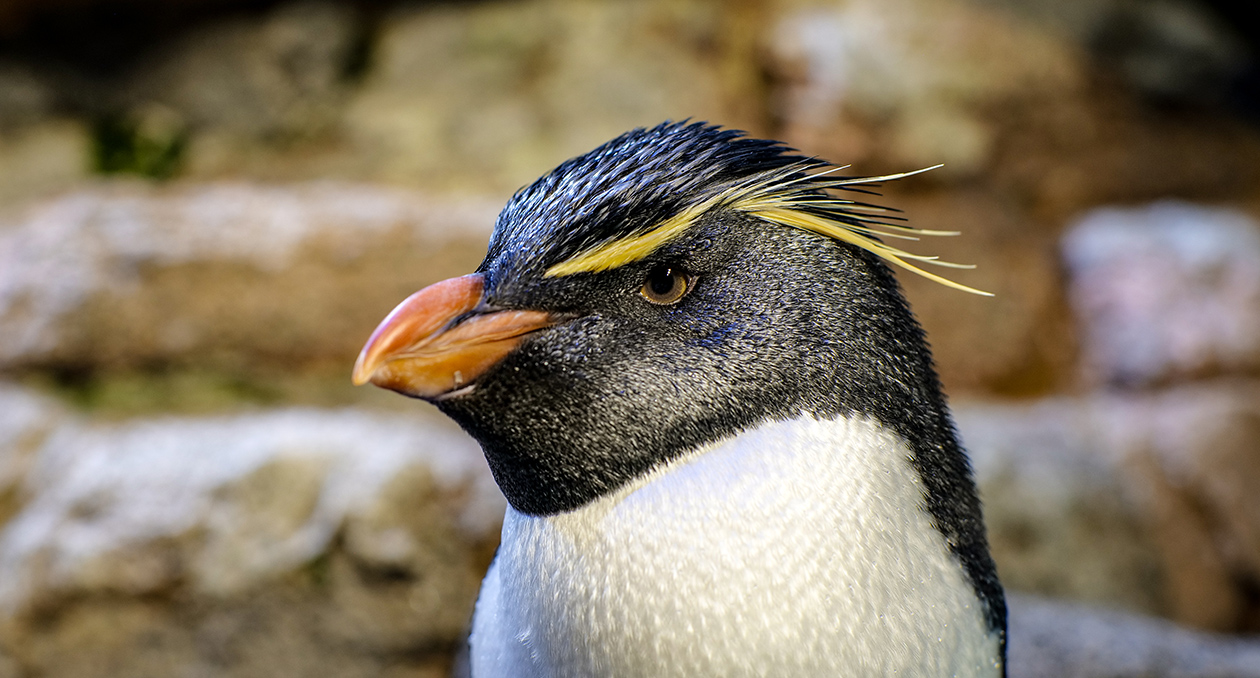
Overfishing, plastic pollution, and oil spills compound these issues, while human development encroaches on breeding sites. In Antarctica, Emperor penguins face habitat loss from melting sea ice, a direct fallout of global warming. Critically reviewing data, population declines are well-documented by bodies like the IUCN, though exact figures fluctuate slightly across studies—emphasizing the need for ongoing, rigorous monitoring.
Organizations like the Global Penguin Society, founded by Dr. Pablo "Popi" Garcia Borboroglu, lead the charge. They've protected over 32 million acres of ocean and coastal habitats, blending science with education to foster change. As Dr. Borboroglu notes, "When people see penguins, they smile. We need to use that natural connection to change the perception towards the environment, to change our habitat and our behaviors." This emotional tie drives efforts, from beach cleanups removing tons of plastic to advocating for marine protected areas.
Empowering Change: How You Can Help Penguins Thrive
The good news? Individual actions can make waves in penguin conservation. Start by supporting sustainable seafood choices—opt for certified options to reduce overfishing pressure on penguin prey like sardines and anchovies. Donate to trusted groups such as WWF, SANCCOB, or the Global Penguin Society, which offer "adopt a penguin" programs for direct impact.
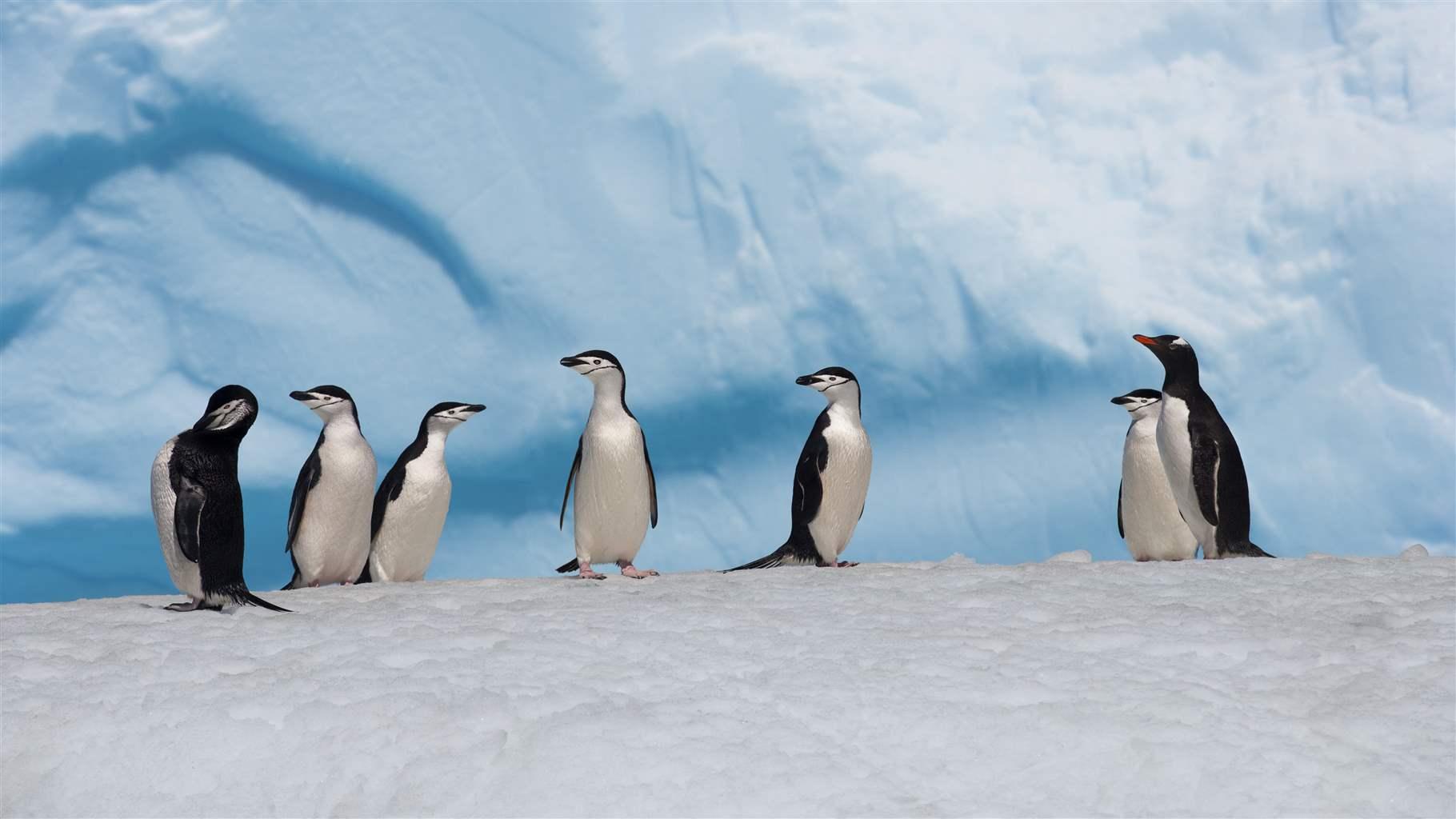
A key focus is krill, the tiny crustacean forming the backbone of many penguins' diets, especially in Antarctic regions. Krill fishing, though regulated, overlaps with penguin foraging grounds, exacerbating food scarcity amid climate shifts. Krill ends up in consumer products like omega-3 supplements, aquaculture feed for farmed salmon, pet food, livestock feed, and even fish bait. To avoid contributing, skip krill oil pills—choose plant-based omega-3 alternatives like algae oil. Check labels on pet food and salmon products; advocate for supermarkets to phase out krill-sourced items. Industry voluntary measures, like no-fishing zones near penguin colonies, show promise, but consumer pressure can push for stronger protections.
- Daily Habits: Properly dispose of plastics to curb ocean pollution.
- Community Involvement: Join beach cleanups or sign petitions for expanded marine reserves.
-
Education: Share facts on social media to amplify awareness.
Get Involved in Protecting Africa’s Wildlife
A Brighter Horizon for Penguins
In the face of daunting challenges, stories of resilience inspire hope. Conservation successes, like the Global Penguin Society's vast protected areas and SANCCOB's rescue of abandoned eggs, demonstrate that collective effort yields results. Penguins, with their unbreakable spirit, remind us of nature's interconnected beauty—and our power to preserve it.
This Penguin Awareness Day, let's commit to action. Visit a local aquarium, donate to a conservation fund, or simply choose krill-free products. Together, we can ensure these adventurous birds continue to waddle, swim, and thrive for generations. Because caring for penguins never gets old, and they need our help now more than ever.
All images are the property of the copyright holders. Accreditation links provided for easy reference.


