


The Legacy of Meerkat Manor: The True Story of the Whiskers Family and Kalahari Conservation
The Kalahari Desert does not offer mercy; it offers lessons. Beneath the vast, copper-toned horizons of South Africa’s Northern Cape, a drama has unfolded for decades that is far more profound than any Hollywood script. We often remember it as a television sensation, but for those of us who look closer, the story of the Whiskers meerkat family is a masterclass in survival, cooperative evolution, and the unyielding spirit of the wild.
As a reporter committed to the intersection of wildlife and science, I recently revisited the story of the Kuruman River Reserve. While the cameras of Meerkat Manor have long since been packed away, the scientific legacy of the Kalahari Meerkat Project (KMP) continues to challenge our understanding of what it means to live for the group.
Shop the story
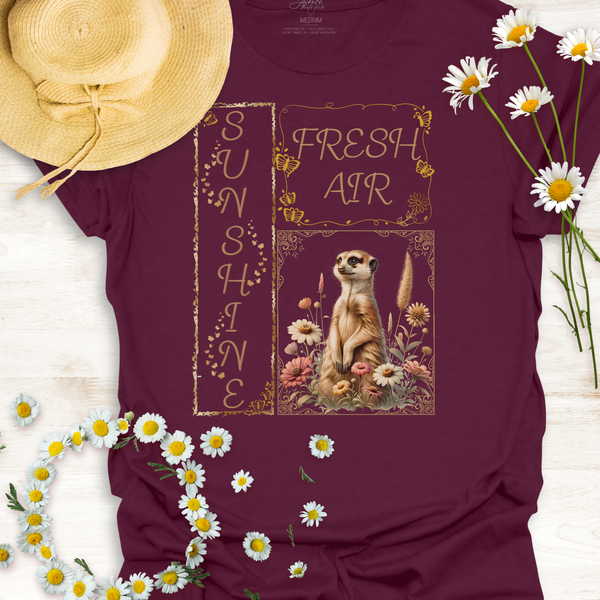
Inspired by this post — gear and wear we use in the wild.


Beyond the Screen: A Critical Look at the "Docu-Soap"
When Meerkat Manor first aired, it revolutionized nature documentaries by using "animal soap opera" storytelling. However, a skeptical examination of the narrative reveals a fascinating tension between television drama and biological reality.
While the show framed the matriarch, Flower, as a heroic leader, the data from the Kalahari Research Centre provides a more nuanced perspective. In the world of Suricata suricatta, dominance is not just about leadership; it is a fierce, evolutionary necessity.
-
Anthropomorphism vs. Reality: The show often attributed human emotions to the meerkats. In reality, behaviors like "babysitting" or "sentinel duty" are driven by complex kin selection and the survival of the genetic line.
-
The Price of Dominance: Dominant females like Flower often suppress the breeding of subordinates through eviction or infanticide—actions that were heart-wrenching for viewers but are critical for managing limited resources in a harsh environment.
-
Scientific Goldmine: Despite the dramatization, the project has produced over 100 peer-reviewed scientific papers, making it one of the longest-running and most successful mammal studies in history.

The Architecture of Cooperation
The success of the Whiskers meerkat family—and indeed the entire species—rests on a social structure that is both beautiful and brutal. To survive predators like the martial eagle or the Cape cobra, the troop must function as a single organism.
The sentinel, standing on its hind legs atop a termite mound, is the troop's early warning system. Research shows that these sentinels use specific vocalizations to distinguish between terrestrial and aerial threats. This isn't just "looking out for friends"; it's a highly specialized communication network that allows the rest of the group to forage with 100% focus.
The Struggles and Triumphs of the Kalahari
The 2026 climate data suggests that the Kalahari is becoming increasingly volatile. Prolonged droughts followed by flash floods present a significant challenge to endangered wildlife and local species alike.
Through the lens of skeptical research, we see that the meerkats’ greatest struggle is no longer just predators, but the shifting environment. Yet, their tenacity remains. The Whiskers family has survived through multiple generations, adapting their foraging patterns and social dynamics to meet these new challenges. Their resilience is a testament to the importance of wildlife conservation in Africa, reminding us that even the smallest creatures are vital cogs in the ecological machine.

A Call to Protect the Small and the Mighty
The story of the meerkats of the Kalahari ends not with a "series finale," but with an ongoing invitation to care. The happy resolution lies in the fact that, because of the global attention brought by the original story, the Kuruman River Reserve remains a protected haven for research and conservation.
We must move beyond seeing wildlife as mere entertainment and start seeing them as partners in our planet's future. The survival of the meerkats proves that cooperation is the most powerful tool in nature.
How you can help:
-
Support Long-term Research: Projects like the Kalahari Meerkat Project depend on donations to maintain their observation of these troops.
-
Responsible Tourism: If you visit the Kalahari, choose ethical operators who prioritize the animals' well-being over "the perfect shot."
-
Spread Factual Awareness: Share the science behind the story to help others appreciate the true complexity of these desert survivors.
Protect Africa’s Wildlife Today
👉 Explore our collection of wildlife and adventure graphic tees designed to last: Shop Africa Wild Child

By supporting these efforts, we ensure that the "Whiskers" of the future will continue to stand tall against the Kalahari sun. Because caring never gets old, and they need our help to keep the story going.
All images are the property of the copyright holders. Accreditation links provided for easy reference.


